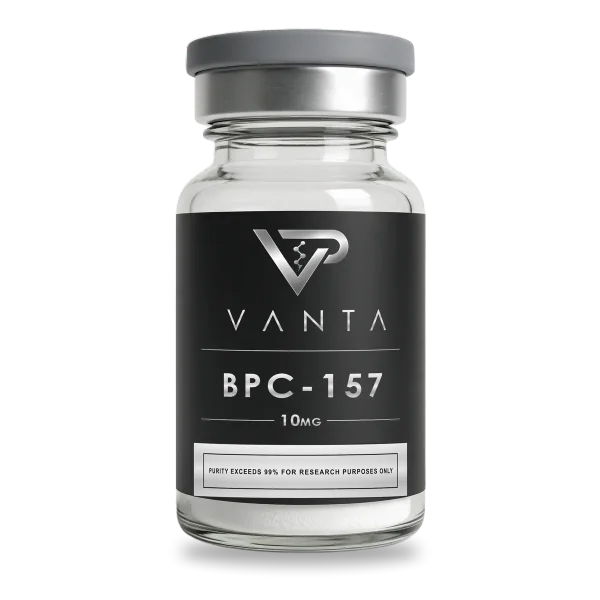
Identity
Mass spectrometry answers the first question, which is whether the sample is the molecule it is supposed to be at all. The measured molecular weight is matched against the reference standard, and the report names both.
Research Use OnlyNot For Human Or Animal Consumption21+ Only
Purity is a number a laboratory measured, on a batch with a code, on a date. Ours are sent out for analysis, published in full, and matched to the lot printed on the vial you receive — so the claim and the evidence are the same object.
The first three are the assays printed on our reports, in the order the laboratory runs them. The last three are what happens to a vial once the chemistry is settled.
Mass spectrometry answers the first question, which is whether the sample is the molecule it is supposed to be at all. The measured molecular weight is matched against the reference standard, and the report names both.
Chromatography separates everything in the vial and measures each fraction as a percentage of the total. The figure that comes back is the laboratory’s, printed on the certificate, not a floor we advertise and hope to meet.
Purity is a ratio, so on its own it says nothing about how much is in front of you. Content is assayed separately against the labelled quantity, which is the number that decides whether a vial is what it says it is.
Lots are supplied lyophilized. Where a report is published it describes the state of the cake, the colour of the powder, and a clarity check once the lot is put back into solution.
A tested vial is only as good as the way it was kept afterwards. Stock is held sealed, refrigerated and out of light from arrival to dispatch, and moves cold-packed.
The batch code printed on the vial is the same code on the certificate and the same code the issuing laboratory verifies against. One vial, one lot, one document, and no step in that chain is ours to assert.
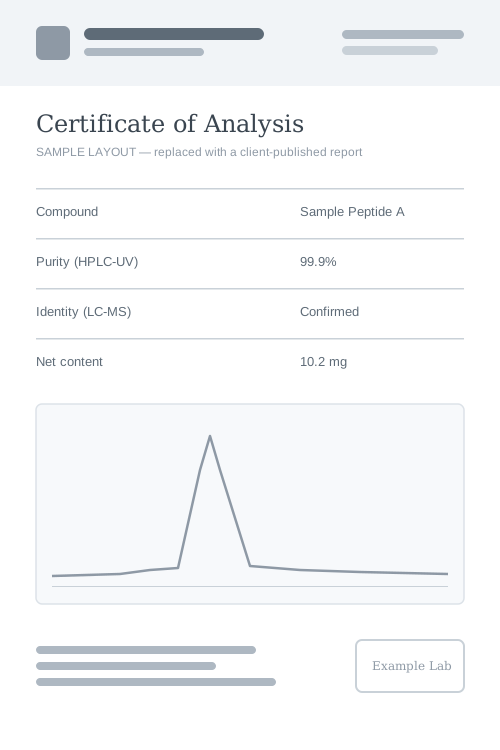
Open the COA LibraryA purity figure is not typed by anybody. It is the area under one peak, divided by the area under all of them, off a chromatogram like this one — and the chromatogram is printed on the certificate so you can check the arithmetic yourself.
One dominant peak, at the retention time the reference standard comes off the column at. Its share of the total area is the purity figure the laboratory reports.
Residual reagents, truncated sequences, salts. They are never zero in real chemistry, and a trace with no small peaks at all is a trace worth questioning.
UV at 214 nm is the wavelength the amide backbone absorbs, which is why this is the standard detection method for a peptide rather than a general-purpose one.
Most suppliers who publish anything publish the first page, because the first page is the one with the good number on it. The pages after it are where the method, the trace and the signatures live — which is where a report stops being a graphic and starts being evidence.
Page one
Sample information and the test results table — product, batch, labelled quantity, molecular formula, CAS number, and the assay rows with the reference standard beside the measured figure.
Page two
The chromatogram itself, at the detector and wavelength it was run on, plus the sample photographs as the laboratory received them.
Page three
The reconstitution clarity check, the analyst, QC reviewer and QA director who signed it, and the verification link and access code for the issuing laboratory’s own portal.
A purity figure is measured once, on one day. Everything below is what keeps it true for the vial that reaches your bench.
A sample leaves the batch for the laboratory. Nothing from that batch is listed until the report comes back and is read.
The compound is supplied as a freeze-dried cake under a crimped seal, which is the form it is stable in and the form the report describes.
Stock sits refrigerated, dry and out of light for the whole time it is here. A vial is only as good as the week it spent waiting.
It leaves cushioned and cold-packed, with the batch code on the vial matching the certificate you can already read online.
Research use only
All products sold by Vanta are for in vitro laboratory research use only. They are not intended for human or veterinary consumption, diagnosis, treatment, or prevention of any disease or condition. These statements have not been evaluated by the FDA. Unapproved use constitutes a breach of FDA law and these Terms & Conditions.
Research updates from Vanta
Subscribe for catalog updates, new research compounds, and documentation news.
For researchers and laboratories. No spam — unsubscribe anytime.